
Sunday, September 26, 2010

Saturday, September 25, 2010


Friday, September 24, 2010
transport, sisowath quay
 note: forms of transport include motorbike (hop on the back), tuk-tuk (the cart to the left of the elephant) and car (I think I've ridden in one here). also, behind the elephant rages the age-old debate: angkor beer or anchor beer?
Wednesday, September 22, 2010


kuala lumpur, malaysia


I'd heard about "Doctor Fish" before, small toothless fish who nibble the dead skin off your feet. The most famous fish spa is located in Turkey, and has been operating since the early 1900s. Since then, its spread to several Asian countries and the US. I went to an aquarium at the mall, where they had a small spa to stick your feet in for a half hour. I'm unsure whether its actually effective, or if the reports of smoother feet or improved foot health afterward are due merely to soaking your feet in water, but it was an interesting (one-time) experience. The video below shows how much more dead skin there apparently was on my left foot than my right! Check those little suckers (pun intended) out. Yes, it tickled, and yes, it itched, but only at first. Here's an article in the Irish press about the process.
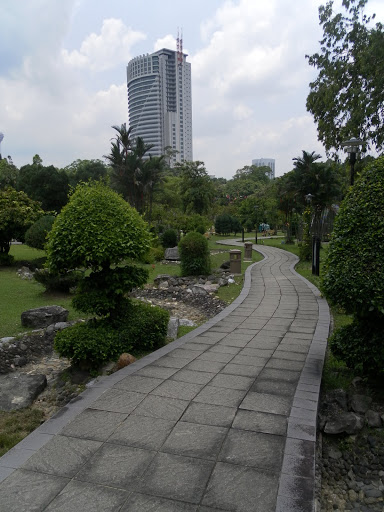
The Lake Gardens, a large public garden in the middle of the city, was a highlight of the trip. Below are some photos of the city skyline from the park and the National Monument.


Thursday, August 26, 2010
fried frog with lemongrass stuffing: C+

Something I definitely need to do more of here is to try the street food! In between surveys today, we stopped at a roadside stand because the fried frogs caught my coworkers' attention. Above, Cha'riya, a member of the survey team, displays her street food. Below is the full stall. You can see pig's ears, fried frogs with lemongrass stuffing on skewers, assorted fish and pickled things. I tried the frogs, and they weren't bad, but the stuffing was definitely the highlight. Earlier that day, I did get what looked and tasted like small waffles from a street vendor - all they needed was some blueberries or strawberries and I would've been in heaven! And three small waffles only cost about 12 cents. I think the frogs cost a bit more, something like a whole quarter!


Wednesday, August 25, 2010
bai: kind of a big deal
Worldwide, rice is the most important crop for human consumption. It seems as though calling rice ("bai" in Khmer) the staple food here in Cambodia is an understatement. As in many countries where it has been cultivated for centuries, rice has invaded the culture and the language here. The word for kitchen literally translates to "rice house;" breakfast, lunch and dinner are morning, noon and night rice. More than half of Cambodians are farmers; almost all of them grow primarily rice. Rice is grown by flooding the plot during planting, and below are some photos of harvesting. It's a muddy job, requiring strong arms for pulling the plant and a knife to chop off the stalks, which I believe are used to feed livestock during the hot season. As the workers pulled up the rice plants, flying insects crowded the air in search of new swampy homes.
The point of the last picture is just that woman's smile, and the mesh tank top her baby is wearing - not just for 80s pop singers anymore! She's definitely a rice farmer though, so it's kind of related.


Subscribe to:
Posts (Atom)